
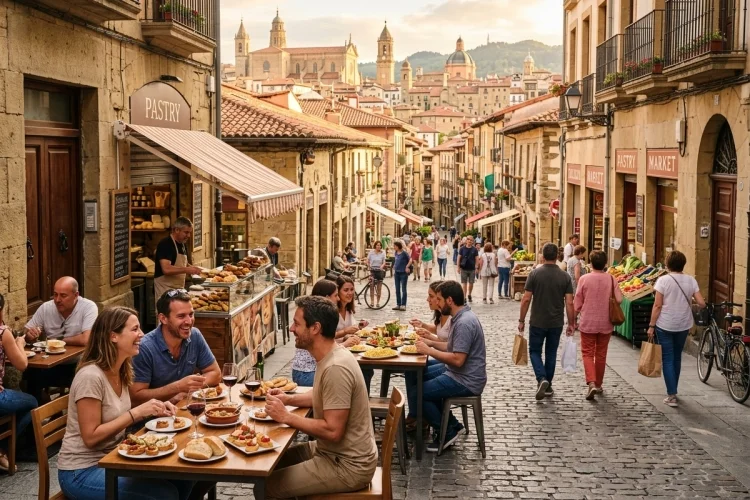

Some travellers build their weekend around museums, nightlife, or famous landmarks. Food lovers plan the day around breakfast, lunch, market snacks, dinner, and whatever pastry happens to appear between them.
Europe is perfect for this kind of trip. Many of its best culinary cities are compact enough to explore in two or three days, yet varied enough to offer traditional restaurants, modern dining rooms, historic markets, street food, bakeries, wine bars, and cooking experiences.
The best cities for a food-focused weekend in Europe are not necessarily the places with the longest lists of luxury restaurants.
A great food destination should also have everyday dishes that are easy to find, neighbourhoods that reward walking, and local specialties you can enjoy without booking every meal months ahead.
From fresh pasta in Bologna to pintxos in San Sebastián and pizza in Naples, the following cities make eating part of the sightseeing.
Arrive hungry, leave room in your schedule, and remember that ordering one more small plate is usually a better idea than rushing to another monument.
1. Bologna, Italy: The Best Choice for Handmade Pasta
Bologna is an easy recommendation for travellers who want traditional Italian food without trying to cover an entire region.
Fresh egg pasta is central to the city’s culinary identity, appearing in dishes such as tagliatelle al ragù, tortellini in brodo, and lasagne verdi.
Do not expect the local ragù to arrive on spaghetti. In Bologna, the slow-cooked meat sauce is traditionally paired with fresh tagliatelle, whose wider surface holds the sauce more effectively.
Other foods worth trying include mortadella, crescentine, gramigna with sausage, and aged Parmigiano Reggiano.
Spend your first afternoon exploring the Quadrilatero, where market stalls, old food shops, taverns, and casual restaurants sit close together. On the second day, join a pasta-making class or food walk, then save dinner for a traditional trattoria.
Bologna is rich, filling, and proudly traditional. Pace yourself by sharing starters and avoiding the temptation to order three pasta dishes at the same meal.
2. San Sebastián, Spain: The Best for Pintxos Bar-Hopping
San Sebastián turns dinner into a journey through several bars. The local custom of going for pintxos involves ordering a small dish with a short drink, eating it at the bar, and then moving on to another place.
Pintxos can be simple, such as anchovies, peppers, or tortilla served on bread. Others resemble miniature restaurant dishes featuring seafood, slow-cooked meat, sauces, and carefully arranged seasonal ingredients.
The Old Town has the highest concentration of famous pintxos bars, but neighbourhoods such as Gros, Centro, and Amara also offer excellent choices.
The official tourism guide recommends exploring by area and treating the experience as an introduction to the city’s broader food culture.
Order one or two specialties per stop rather than filling a plate at the first bar. A guided pintxos tour can be helpful on your first evening, especially when you are unsure what to order or how the bar system works.
3. Lyon, France: The Best for Traditional French Cooking
Lyon is regularly promoted as France’s capital of gastronomy, and its food scene covers far more than fine dining.
Traditional bouchons serve generous Lyonnaise cooking in informal surroundings, making the city approachable even when you are not looking for a luxury tasting menu.
Typical specialties include quenelles, sausages, pâtés, charcuterie, salade Lyonnaise, and praline-based sweets. Many dishes are hearty, so lunch can easily become the main meal of the day.
Visit Les Halles de Lyon Paul Bocuse to browse cheese, meat, bread, pastries, seafood, and prepared dishes from specialist vendors. A food tour through Les Halles, the Presqu’île, or Vieux Lyon can combine tastings with the city’s architectural and social history.
Book at least one traditional bouchon, but leave another meal open for a neighbourhood bakery, market counter, or modern bistro. Lyon is most enjoyable when you experience both its famous culinary heritage and its everyday food culture.
4. Lisbon, Portugal: The Best for Seafood and Pastries
Lisbon offers a useful balance between sit-down meals and inexpensive snacks. You can begin with strong coffee and a pastel de nata, eat grilled fish or seafood for lunch, and finish the evening with petiscos, Portugal’s small sharing plates.
The city’s relationship with the sea is visible in dishes featuring sardines, octopus, cod, clams, and canned fish. Traditional flavours also reflect Portugal’s historical connections with regions including Brazil, Angola, Mozambique, Goa, and Macau.
Explore Alfama or Mouraria for traditional restaurants, then visit Baixa, Chiado, or Príncipe Real for contemporary Portuguese cooking. A food-focused weekend should also include a trip to Belém for pastries, although excellent pastelarias can be found across the city.
Lisbon’s hills make constant eating surprisingly practical because you will walk off at least part of every meal. Wear comfortable shoes, avoid scheduling lunch and dinner too closely, and leave room for spontaneous bakery stops.
5. Copenhagen, Denmark: The Best for Modern Nordic Variety
Copenhagen has a reputation for ambitious New Nordic restaurants, but a food weekend does not need to revolve around expensive tasting menus.
The city also has excellent bakeries, casual cafés, open sandwiches, natural-wine bars, neighbourhood restaurants, and international street food.
Torvehallerne is a convenient starting point, with produce, coffee, baked goods, wine, specialist groceries, and small food counters in a central location. Reffen offers a larger waterfront street-food experience, with dozens of stalls alongside bars and creative spaces.
Try smørrebrød for lunch, but do not treat it as an ordinary sandwich. These open-faced creations are often carefully layered with fish, meat, vegetables, herbs, and sauces.
Copenhagen can be expensive, so mix one special dinner with market meals and bakery breakfasts. This approach lets you experience the city’s creativity without turning every reservation into a major financial decision.
6. Naples, Italy: The Best for Street Food and Pizza
Naples may be the easiest city in Europe for building an entire weekend around one famous dish. Traditional Neapolitan pizza has a soft, elastic centre, a raised crust, and a short list of ingredients that allows the dough, tomato, and cheese to remain noticeable.
Pizza is only the beginning. Try pizza fritta, a fried version traditionally filled with ingredients such as ricotta and provola, as well as cuoppo di mare, pasta dishes, sfogliatella, babà, and strong espresso.
The historic centre works well for an informal food walk because old pizzerias, pastry shops, cafés, and street-food counters appear along the same busy lanes. Spaccanapoli provides a natural route through the centre while connecting several important sights.
Queues at celebrated pizzerias can be long. Instead of assuming one famous restaurant is the only valid choice, ask what a place specialises in and observe where local customers are eating.
7. Budapest, Hungary: The Best for Hearty Food and Market Culture
Budapest is ideal for travellers who prefer comforting, generously seasoned food. Hungarian cooking often features paprika, slow-cooked meat, potatoes, sour cream, dumplings, pickled vegetables, and rich soups.
Look for goulash, chicken paprikash, pörkölt, stuffed cabbage, lángos, and chimney cake. Ruin bars and modern bistros have expanded the city’s dining landscape, but traditional markets and neighbourhood restaurants remain important parts of the experience.
The Great Market Hall is the best-known market, offering produce, spices, meat, souvenirs, and prepared foods within an impressive historic building. Budapest also hosts food markets, wine tastings, beer events, and seasonal culinary programmes throughout the year.
Some market stalls in heavily visited areas may charge more than neighbourhood establishments. Browse first, check displayed prices, and balance the central market experience with a meal farther from the busiest attractions.
How to Plan a Food-Focused Weekend
Avoid making reservations for every meal. One carefully chosen dinner per day is enough, while breakfast, lunch, and snacks can remain flexible.
Markets are usually more enjoyable in the morning or around lunchtime, when vendors are active and prepared-food counters are operating.
Check opening days before travelling because some European food markets close on Sundays, Mondays, or public holidays.
Choose accommodation within walking distance of several food neighbourhoods. A central room may cost more, but it lets you return easily between meals and avoids spending valuable weekend hours crossing the city.
Finally, order with curiosity rather than trying to complete a checklist. Ask servers what is seasonal, share several dishes, and give unfamiliar ingredients a chance.
Europe’s best cities for a food-focused weekend offer much more than famous restaurants.
Bologna delivers handmade pasta, San Sebastián turns pintxos into a social ritual, and Lyon celebrates rich regional cooking through markets, bouchons, and modern bistros.
Lisbon brings seafood and pastries, Copenhagen combines Nordic creativity with lively food halls, Naples makes exceptional food feel wonderfully informal, and Budapest offers satisfying dishes at traditional markets and neighbourhood restaurants.
Choose the destination that best matches your appetite, then organise the weekend around only a few essential meals.
Book one special restaurant, visit a market, join a food tour, and leave space for discoveries. The best bite of your trip may come from a place that never appeared on your original itinerary.