
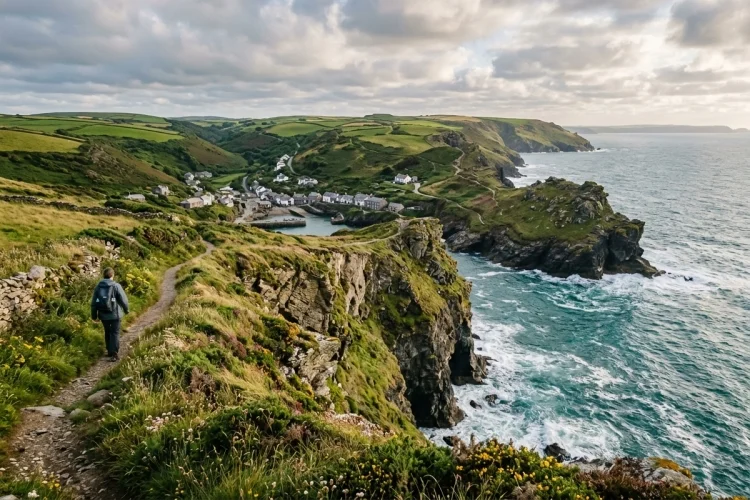

England has no shortage of famous attractions. London, Stonehenge, Oxford, Bath, and the Cotswolds appear on countless itineraries, often leaving travelers with little time to explore anywhere else.
That is a shame because some of the most rewarding trips happen in places that rarely dominate travel brochures.
The best underrated places to visit in England offer medieval streets, dramatic coastlines, unusual museums, independent shops, and beautiful landscapes without feeling like copies of the country’s biggest tourist destinations. “Underrated” is subjective, of course.
The locations in this guide are not secret, and some become busy during weekends or summer. However, they generally receive less international attention than England’s headline attractions while still offering enough to fill a memorable day trip or short break.
From a compact cathedral city in Somerset to remote islands beyond Cornwall, these lesser-known destinations show how varied England can be. Pack comfortable shoes, keep your schedule flexible, and prepare to look beyond the usual route.
1. Rye, East Sussex: Medieval Streets Near the Sea
Rye looks like the kind of English town many travelers imagine before their first visit. Its historic center is filled with cobbled lanes, old inns, independent stores, art galleries, and buildings from several architectural periods.
Mermaid Street is the obvious starting point, but it is worth exploring beyond the most photographed corner. Visit Ypres Tower and St Mary’s Church, then walk toward the harbor to see how the town’s maritime landscape has changed over time.
Rye Harbour Nature Reserve adds wetlands, wildlife, and gentle walking routes to the experience. The surrounding area also gives you easy access to coastal scenery and the sandy landscape around Camber.
Rye works well for travelers who want history, food, shopping, and nature in one compact destination. Stay until the day-trippers leave, and the old streets become noticeably calmer in the evening.
2. Wells, Somerset: A Small City with Grand Architecture
Wells proves that a destination does not need to be large to feel impressive. Its main attraction is Wells Cathedral, constructed between the 12th and 15th centuries and known for features such as its medieval clock and striking scissor arches.
Beside the cathedral, Vicars’ Close presents a remarkably complete medieval street originally developed to house the Vicars Choral. Many of its houses date from the 14th century, while the distinctive chimneys were added during the following century.
The nearby Bishop’s Palace adds a moated residence and 14 acres of gardens, making the area feel more like a historical film set than a modern city center.
Wells is best explored slowly. Allow time for the market area, local cafés, gardens, and quiet side streets rather than treating the cathedral as a quick photo stop.
3. Shrewsbury, Shropshire: Timbered Streets and Riverside Walks
Shrewsbury sits inside a loop of the River Severn near the Welsh border. Its medieval identity remains visible in cobbled passages, Tudor buildings, old town walls, and narrow streets filled with independent businesses.
The town combines heritage with a lively modern atmosphere. You can explore Shrewsbury Castle, follow the river through The Quarry park, browse local shops, or simply wander through the timber-framed town center.
Food lovers should stop at Shrewsbury Market Hall. It brings together independent cafés, street-food kitchens, fresh produce, artisan products, arts, and small retail businesses under one roof.
One of Shrewsbury’s biggest strengths is its pace. There is plenty to do, but the town encourages wandering rather than rushing between major sights. It also makes a useful base for exploring the Shropshire Hills and Ironbridge.
4. Lincoln, Lincolnshire: History at the Top of a Steep Hill
Lincoln offers the scale and architecture of a major heritage city but receives less international attention than York or Bath. Its historic upper quarter is centered on Lincoln Cathedral, Lincoln Castle, Bailgate, and Castle Square.
The route between the modern center and the Cathedral Quarter follows the appropriately named Steep Hill. The street has an average incline of more than 16 degrees, but it is lined with cafés, independent shops, and historic buildings that provide several good excuses to pause.
Inside Lincoln Castle, visitors can learn about Norman history and see an original Magna Carta alongside the Charter of the Forest. The castle walls also provide wide views over the cathedral and surrounding city.
Lincoln is ideal for a weekend break, especially when you want major historical landmarks without building your itinerary around a crowded capital.
5. Knaresborough, North Yorkshire: Castle Views and a Storybook Viaduct
Knaresborough is often overshadowed by nearby York and Harrogate, yet its riverside setting is one of the most photogenic in northern England. The town rises above the River Nidd, with its railway viaduct creating the best-known view.
Begin near Knaresborough Castle, which overlooks the river, then walk downhill toward Waterside. From there, you can follow the river, stop at a café, or admire the viaduct from several different angles.
Mother Shipton’s Cave and its Petrifying Well add a playful mixture of geology, folklore, and local history. The site includes a woodland walk beside the River Nidd and has welcomed curious visitors since the 17th century.
Knaresborough is particularly rewarding as a relaxed day trip because its main attractions are close enough to combine without spending the entire day in transit.
6. The Northumberland Coast: Castles, Beaches, and Wildlife
For open space and dramatic scenery, it is difficult to beat the Northumberland coast. Bamburgh Castle stands on a rocky plateau above a long beach, creating one of England’s most striking combinations of architecture and landscape.
Nearby Seahouses is a popular starting point for boat trips to the Farne Islands. Depending on the season and weather, these trips offer opportunities to see seabirds, seals, dolphins, and the islands’ rugged shoreline.
This area deserves more than a rushed stop. Spend time walking along the beach, exploring coastal communities, and watching the light change around Bamburgh Castle.
Travelers with a car usually have the greatest flexibility. Those relying on buses and trains should research their routes carefully, particularly when combining several coastal attractions in one day.
7. The Isles of Scilly: England with an Island Rhythm
Located beyond Cornwall, the Isles of Scilly feel surprisingly far removed from mainland England. The archipelago contains more than 140 islands, although only a small number are inhabited and regularly visited.
St Mary’s is the main arrival point, while Tresco is known for Abbey Garden, which was established during the 1830s. Other islands offer secluded beaches, coastal footpaths, Bronze Age remains, wildlife, rocky headlands, and tiny communities where travel often involves boats rather than buses.
The islands require more planning and usually cost more to reach than a standard English city break. Still, they reward travelers who want slow days, sea air, island-hopping, and scenery that feels genuinely different from the mainland.
Book transportation and accommodation early when visiting during the warmer months. Weather can also affect sea and air travel, so avoid creating an overly tight itinerary.
The best underrated places to visit in England are not empty secrets waiting to be discovered. They are living towns, cities, islands, and coastal landscapes that simply receive less attention than the country’s biggest names.
Rye offers medieval charm near the sea, Wells delivers remarkable architecture, and Shrewsbury combines history with riverside life.
Lincoln and Knaresborough reward curious walkers, while Northumberland and the Isles of Scilly provide space, wildlife, and unforgettable shorelines.
Choose the destination that matches your travel style, then give it enough time to reveal more than its main landmark. Add one of these hidden gems to your next England itinerary and let the less obvious route become the highlight of your trip.